
How to Transition Your Bird to a Healthier Diet Without Stress
How to Transition Your Bird to a Healthier Diet Without Stress

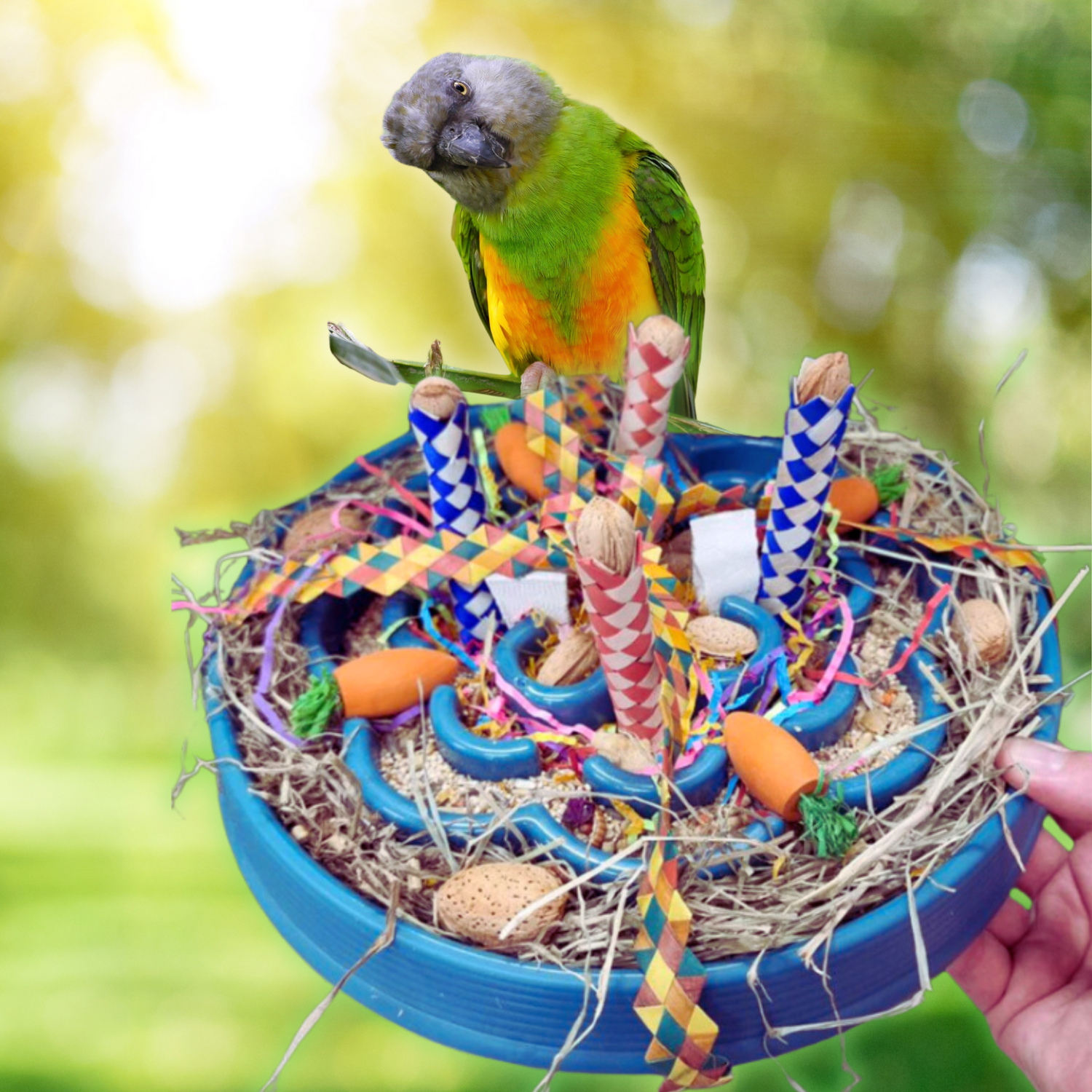
Changing your bird’s diet can feel intimidating. Many parrots and companion birds become deeply attached to familiar foods, especially seed-heavy diets. The good news? With patience and the right approach, you can transition your bird to a healthier diet without stress, fear, or food refusal.
This guide walks you through a safe, gradual method that supports your bird’s physical health and emotional well-being.
Why a Gradual Diet Transition Matters
Birds are creatures of habit. Sudden food changes can cause:
-
Stress or anxiety
-
Refusal to eat
-
Digestive upset
-
Loss of trust
A slow transition helps your bird:
-
Accept new textures and flavors
-
Maintain consistent nutrition
-
Stay calm and confident during meals
Step 1: Start Slow (The Golden Rule)
Never remove your bird’s current food overnight.
Begin by adding 10–20% of the new food alongside their usual diet. This allows your bird to explore the new option without pressure.
Example:
-
80–90% current food
-
10–20% healthier food option
Keep this ratio for several days before increasing.
Step 2: Mix, Don’t Replace
Birds are more likely to try new foods when they’re mixed with familiar ones.
Try:
-
Mixing freeze-dried or fresh foods into seed blends
-
Lightly crushing new foods and sprinkling them over favorites
-
Offering new foods in the same bowl, not a separate “mystery” dish
This creates familiarity and reduces suspicion.
Step 3: Use Foraging to Reduce Resistance
Foraging turns eating into an activity rather than a challenge.
Ideas include:
-
Foraging trays
-
Paper cups or wraps
-
Sprinkle mixes over toys or mats
When birds “discover” food, they’re more likely to try it willingly.
Step 4: Observe, Don’t Rush
Every bird transitions at their own pace. Watch for:
-
Curious pecking
-
Partial eating
-
Texture preferences
If your bird skips a meal, pause the transition, increase familiar food slightly, and resume more slowly.
Consistency matters more than speed.
Step 5: Offer New Foods at the Right Time
Birds are most open to new foods when they’re:
-
Slightly hungry
-
Calm and relaxed
-
Most active (usually morning)
Offer healthier foods first thing in the morning, followed by familiar foods later if needed.
Step 6: Model Curiosity and Positivity
Birds learn from observation.
You can:
-
Pretend to eat the food yourself
-
Offer food from your hand
-
Speak calmly and encouragingly
Never force, chase, or remove bowls in frustration. Trust builds through calm repetition.
✨ Helpful Tip
Healthy food changes work best when paired with variety, enrichment, and routine. Small steps lead to lasting habits.
Foraging, Toys and Food mixed
Birdie Bread
Love
Runzas